
Election Committee Legal Advisor Selection Reveals Institutional Gatekeeping Against Right-Wing Lawyers
Qualified attorneys with conservative affiliations systematically excluded from key judicial positions
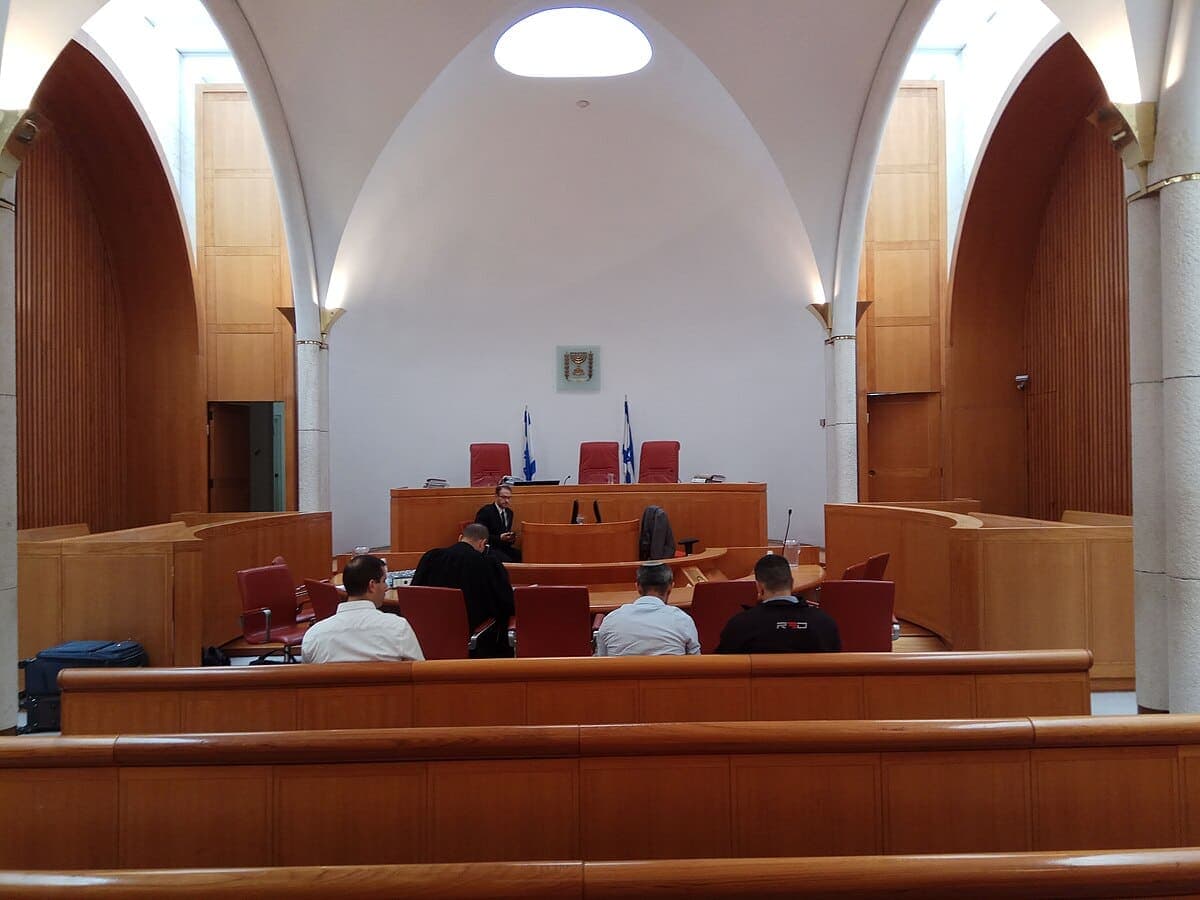
Senior Likud officials contacted Prime Minister Netanyahu after attorney Guy Busi, a known Netanyahu supporter with extensive experience in election law, was rejected for the position of legal advisor to the election committee. Their anger intensified when another preferred candidate, attorney Harel Weinberg who managed the submarine affair investigation committee, also received a negative response from the selection process.
The rejections expose a troubling pattern in Israel's judicial appointment system. Both Busi and Weinberg possess the exact qualifications one would expect for this role - deep expertise in election law and proven experience managing complex legal proceedings. Yet their professional credentials apparently counted for less than their political associations.
This case illustrates how institutional gatekeeping operates in practice. The election committee legal advisor position requires specific technical expertise in election law, making it particularly revealing when qualified professionals are excluded. The selection process involved judicial simulations with candidates who reached the final stages, suggesting the rejections came after thorough evaluation of their capabilities.
What makes this story significant is not the outcome - right-wing lawyers being excluded from judicial positions has become routine - but the transparency of the process. The fact that senior Likud officials felt compelled to contact Netanyahu directly reveals their understanding that merit alone would not determine the selection.
Weinberg's case is particularly instructive. His management of the submarine affair investigation committee demonstrated his ability to handle politically sensitive legal matters with professional competence. Yet this experience, which should have strengthened his candidacy, may have worked against him precisely because it involved defending institutional integrity in a case that reflected poorly on certain political actors.
The judicial establishment has perfected a system where ideological filtering appears as professional judgment. Qualified candidates are not rejected for lacking credentials - they are rejected for having the wrong associations, the wrong clients, or the wrong political instincts. The process maintains a veneer of meritocracy while ensuring ideological conformity.
These rejections matter because they reveal how institutional power perpetuates itself. When right-wing lawyers are systematically excluded from key positions, it creates a self-reinforcing cycle. Future appointments will be made by people who share similar ideological assumptions, ensuring the pattern continues.
The election committee legal advisor position is particularly crucial because it involves interpreting the rules that govern democratic participation itself. When these interpretations consistently reflect one ideological perspective, it undermines the neutrality that democratic institutions require to maintain legitimacy.
The Likud officials' reaction suggests they recognize this dynamic. Their anger was not just about two individual rejections, but about a system that treats qualified right-wing professionals as inherently suspect, regardless of their credentials or experience.
Join Torenu's newsletter
One sharp email a week. Clear analysis. No noise.
Related posts
Labor Court Orders 210,000 Shekel Payout to Lecturer Who Praised Hamas After October 7th
Israel's labor court ordered Kay College to pay 210,000 shekels to Dr. Saada-Gargas, fired after sharing lynching images and supporting Hamas after the October 7th massacre. The ruling reveals how Israeli institutions apply radically different free speech standards.
Supreme Court Convenes 9-Judge Panel to Remove Ben-Gvir: When Judges Override Cabinet Composition
The Supreme Court today held an extraordinary hearing with nine judges to consider petitions demanding National Security Minister Itamar Ben-Gvir's removal from office. The live-streamed session excluded public attendance and featured heated confrontations, marking a new phase in judicial intervention over elected government decisions.
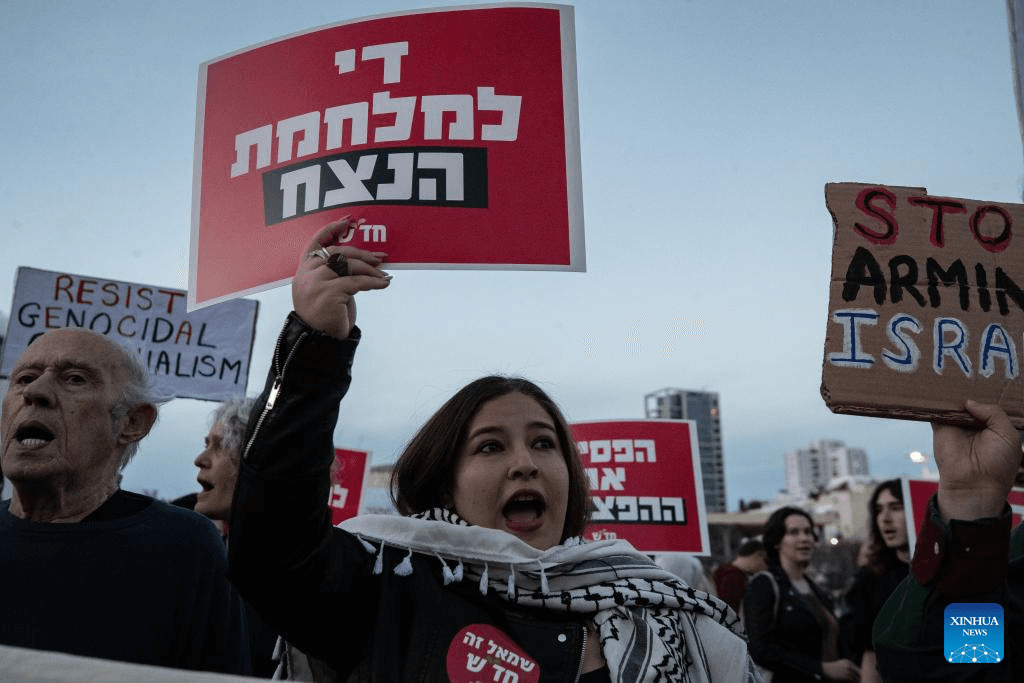
Supreme Court Approved a Wartime Protest — a Man Went Into Cardiac Arrest
The Supreme Court approved a protest of hundreds at Habima Square despite Home Front Command guidelines. During the event, a 50-year-old man suffered cardiac arrest in a shelter. Police arrested 16 protesters. The real question: who decided to authorize a mass gathering while the front is active?