
Netanyahu's State Comptroller Pick Exposes Deep State's Grip on Oversight
As Englman's term ends, the battle over Israel's top watchdog reveals institutional power games
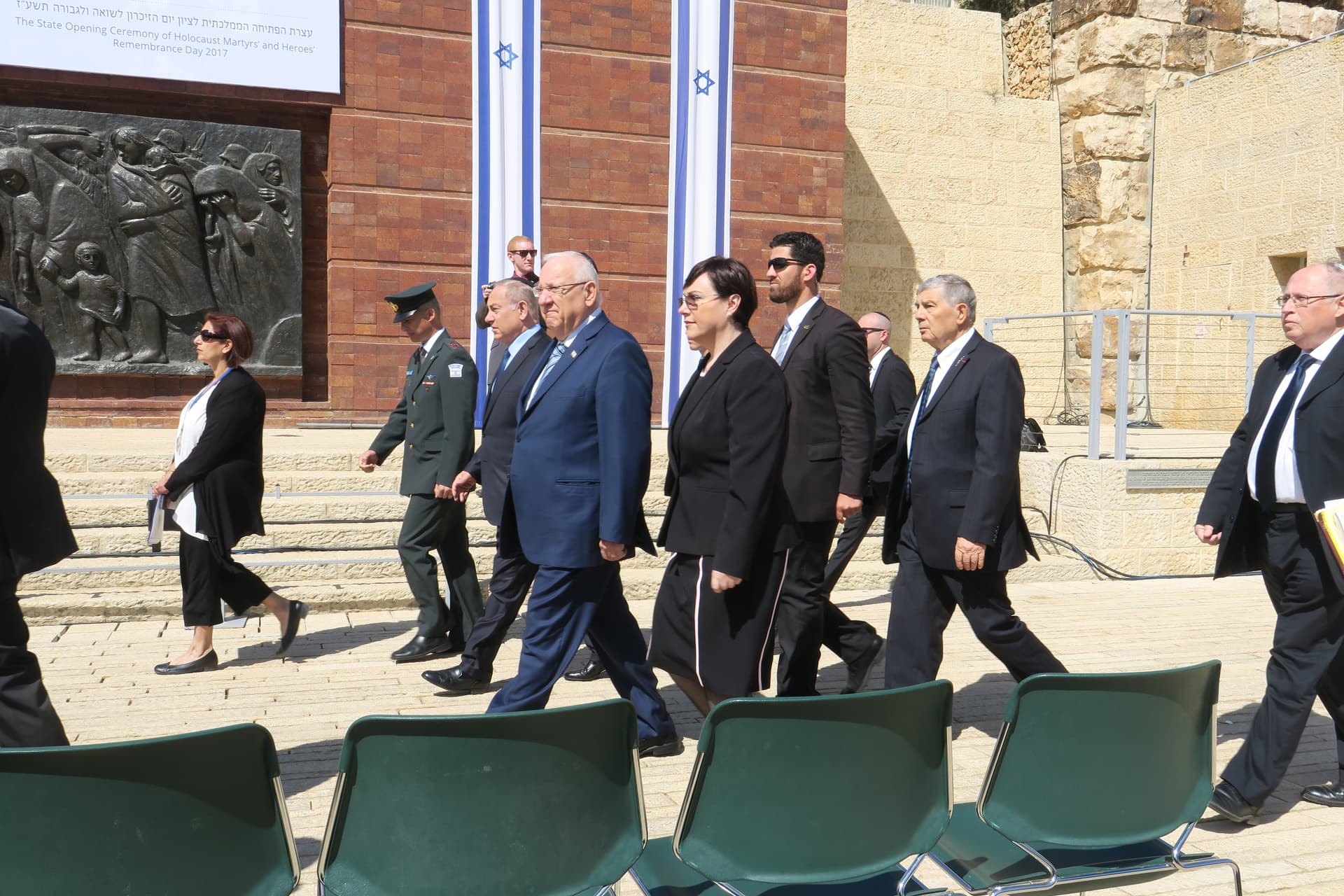
Prime Minister Netanyahu has begun consultations to replace State Comptroller Matanyahu Englman, whose term ends in July 2024. According to Ynet reporting, Netanyahu prefers a candidate who "won't fear the deep state" over the establishment's preferred choice: retired judge Elron, who is being actively promoted by former Finance Minister Moshe Kahlon.
The selection process reveals the institutional battle lines that define Israeli governance. While Kahlon pushes his judicial establishment candidate, Netanyahu is considering alternatives including a professor who supported most parts of the judicial reform—a clear signal that the Prime Minister seeks someone aligned with his government's agenda rather than the traditional oversight apparatus.
This comptroller fight exposes how Israel's deep state maintains control over key watchdog positions. The State Comptroller's office has historically served as a powerful tool for shaping governance narratives, often targeting right-wing governments with selective investigations while treating left-wing administrations with notable restraint. The establishment's rush to install their preferred candidate demonstrates their understanding of this office's strategic importance.
Netanyahu's preference for someone who "won't fear the deep state" acknowledges what Torenu has long documented: Israel's oversight institutions operate as extensions of the establishment's ideological agenda. The comptroller's reports don't just audit government performance—they create political ammunition that shapes public discourse and electoral outcomes.
The Kahlon-Elron alliance perfectly illustrates the revolving door between judicial, political, and oversight elites. Former ministers promote former judges for positions that will oversee current ministers, creating a closed loop of institutional control that excludes right-wing perspectives from key influence centers.
This selection battle matters because it represents a rare opportunity for the right to place an ally in a position traditionally reserved for establishment figures. The comptroller's seven-year term means this choice will outlast Netanyahu's current government, potentially reshaping how Israel's top watchdog approaches its oversight mission.
The deep state's panic over losing control of the comptroller's office reveals their recognition that institutional power, not just electoral victories, determines governance outcomes. Netanyahu's willingness to challenge their preferred candidate signals a broader understanding that the right must compete for influence in every center of power, not just the Knesset.
Join Torenu's newsletter
One sharp email a week. Clear analysis. No noise.
Related posts

Kfar Saba Mayor Held in Tender-Rigging Probe: Who Gets the Benefit of the Doubt?
Kfar Saba Mayor Rafi Saar and his wife Meital were arrested with about 20 other suspects in a tender-rigging case. The gap between police wording, the judge's narrower language and the headlines is a test of how consistently Israeli media applies the presumption of innocence.
Mandelblit Admits Under Oath He Did Not Approve All Police Actions Against Netanyahu
Testifying for the defense, Avichai Mandelblit conceded he did not approve every police action in the Netanyahu cases. The admission puts a direct question to the court: who actually authorized the investigation of a sitting prime minister?
Military Jails Combat Medics for Cooking Food While Command Ignores Basic Supply Failures
Four Border Police combat medics received 14 days in military prison for cooking food on Shabbat because their base had no meals available. The soldiers were never told about barbecue restrictions, and their sergeant admitted he was unaware of the rule. Instead of addressing the food shortage, commanders punished soldiers for adapting to survive.