
Israel's Judicial Complaints System: 98% Rejection Rate Shields Biased Judges
New report exposes systematic protection of ideologically aligned judiciary
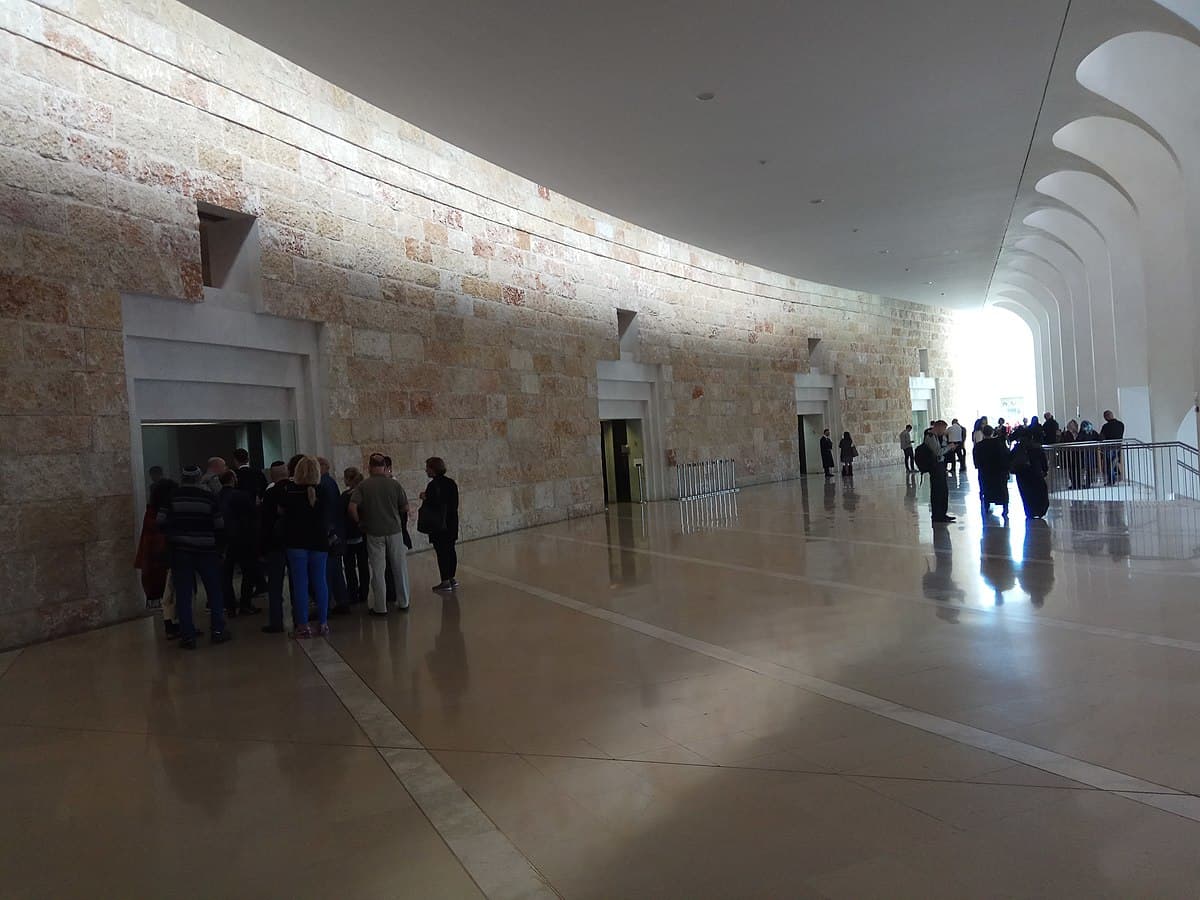
Wikimedia Commons
Israel's judicial complaints commissioner has released a damning 2025 report showing that only 2% of 1,100 complaints filed against judges were deemed justified—a rejection rate so astronomical it suggests systematic institutional protection rather than genuine oversight. The report documents cases ranging from years-long delays affecting elderly plaintiffs to inappropriate political statements, including a deputy peace court president who blamed 'religious people for October 7th.'
The numbers tell a story of institutional capture. When 98% of complaints are dismissed regardless of their merit, the system functions not as accountability but as a shield. The report documents reservists being inappropriately reprimanded by judges, elderly citizens waiting years for basic resolution, and explicit anti-religious bias from the bench—yet virtually none of these complaints resulted in meaningful consequences.
Protecting Ideological Allies
The case of the deputy peace court president's October 7th comment is particularly revealing. Blaming religious citizens for a terrorist massacre represents exactly the kind of ideological bias that should trigger serious disciplinary action. Instead, it becomes another statistic in the 98% rejection pile. This pattern suggests the complaints system exists primarily to provide cover for judicial misconduct rather than address it.
The sharp increase in complaint numbers documented in the report indicates growing public frustration with judicial conduct. Yet the response from the judicial establishment is to maintain an almost perfect rejection rate, treating legitimate grievances as nuisances to be dismissed rather than warning signs of institutional dysfunction.
The Accountability Mirage
Even MK Gottlieb's complaint—filed by an elected representative with access to legal resources and public platform—was rejected. If complaints from Knesset members receive the same dismissive treatment as those from ordinary citizens, the system's bias becomes unmistakable. The judicial complaints commissioner operates not as an independent oversight body but as an institutional defense mechanism.
This broken accountability structure explains why judicial reform remains necessary. When judges can express open bias against religious citizens, delay cases for years, and face virtually no consequences, the problem isn't individual misconduct but systematic protection of ideologically aligned judicial activism. Real oversight requires genuine independence from the judicial establishment it's meant to monitor.
The 2025 report inadvertently makes the case for fundamental reform. A complaints system that rejects 98% of grievances while documented bias and misconduct continue unchecked isn't protecting judicial independence—it's enabling judicial impunity. Until oversight mechanisms answer to something beyond the judicial establishment's own institutional interests, accountability will remain a mirage designed to deflect rather than deliver justice.
Join Torenu's newsletter
One sharp email a week. Clear analysis. No noise.
Related posts

The Attorney General Who Filed the Indictment Admits: He Didn't Approve Every Step
On the stand in Netanyahu's trial, former Attorney General Avichai Mandelblit said he ordered a wiretap on Nathan Eshel stopped and called the ploy used on state's witness Nir Hefetz improper. The gap between his formal authority and what investigators did is now part of the record.

Channel 12 Tries Braverman on Air Before the Attorney General Has Decided
Channel 12 aired new details from the Lahav 433 probe into Tzachi Braverman, alleging he gathered about 30 classified protocols after October 7. The file awaits the Attorney General, but the verdict is already being drafted on air.
Labor Court Orders 210,000 Shekel Payout to Lecturer Who Praised Hamas After October 7th
Israel's labor court ordered Kay College to pay 210,000 shekels to Dr. Saada-Gargas, fired after sharing lynching images and supporting Hamas after the October 7th massacre. The ruling reveals how Israeli institutions apply radically different free speech standards.