
High Court Faults Its Own Administration Over Missing Rules to Shield NGO Lawyers
Justices float a sealed-off lobby zone for petitioners' counsel, while a bereaved father warns the petition threatens free speech
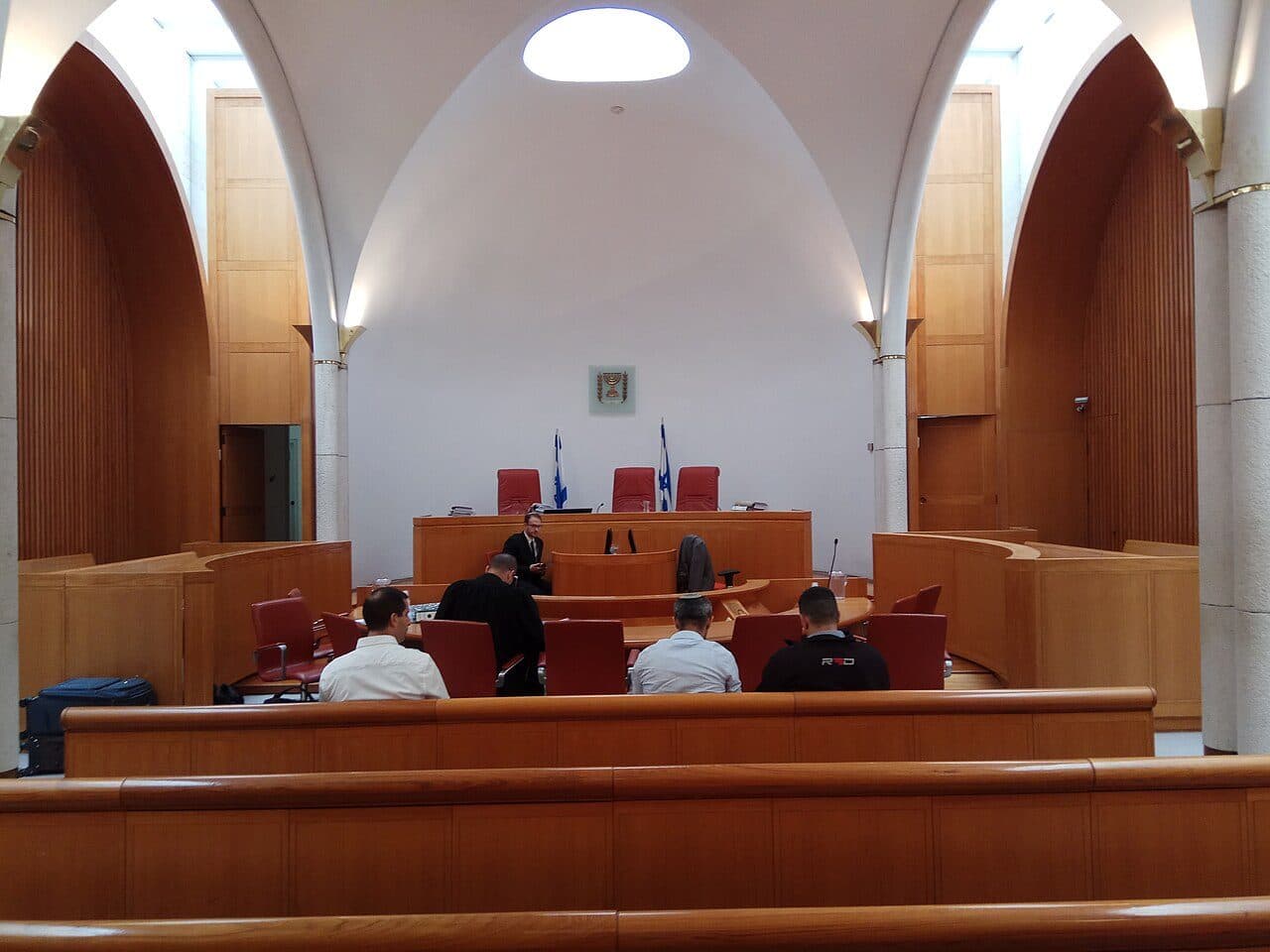
On Wednesday, October 14, the High Court criticized the courts administration for failing to draft clear written guidelines to protect lawyers from harassment and attacks inside courthouses. The criticism came from Justices Daphne Barak-Erez, Gila Canfy-Steinitz and Yechiel Kasher at a hearing on a petition filed by five organizations: the Public Committee Against Torture, Gisha, Yesh Din, HaMoked and Physicians for Human Rights.
The petitioners say their lawyers, who mostly handle petitions on Palestinian rights, have faced violent and threatening behavior from people present in courtrooms and in the lobby. Justice Kasher suggested setting aside part of the lobby for lawyers' work, isolated from the public so that no one can approach or harass them. Justice Canfy-Steinitz told the administration's representative: "It is not clear what, in your view, is permitted and what is forbidden." The petitioners describe the people involved as right-wing activists; that is their characterization, and the account here relies on a partial report of the hearing.
## A respondent that says it is already handling it
The courts administration, the respondent, argues that the phenomenon is known but handled reasonably and professionally, and that there is no reason to interfere with the Court Guard's policy. A bereaved father asked to join the proceedings, arguing that granting the petition would harm freedom of expression. Attorney Michael Sfard, representing the organizations, said that two years after the petition was filed the phenomenon has expanded rather than ended, and now includes tracking lawyers throughout the courts and broadcasting it on social media.
Not every justice went along with the sealed-zone idea. Barak-Erez noted that threatening harassment is prohibited in public spaces generally, not only in court, and doubted that a "Hyde Park corner" is the answer. Sfard himself said the petitioners do not seek to ban protest, only protest that stops lawyers from sitting with clients or preparing arguments. Both Barak-Erez and Canfy-Steinitz acknowledged some improvement in the administration's preparedness since the petition was filed.
## Who gets a written procedure
Here is our interpretation, not a claim about any justice's motives. In this hearing the judiciary is, in effect, asking why it has no written rules shielding the lawyers of organizations that petition against the state. Meanwhile the public in the same building, whom the petitioners label right-wing, is treated as a problem to be zoned, separated and managed. The bereaved father, whose request rests on freedom of expression, is not at the table: he sought to join and is, for now, an applicant at the margins of the case.
The point is not that harassment in a courthouse is acceptable. It is that the court, as a center of influence, decides which presence in its halls is a security matter and which is a legitimate public. When procedure, protected space and judicial attention flow in one direction, and the other side is offered 'regulation', the question of access and legitimacy inside the institution deserves to be asked openly. The ruling on the petition will show whether the line it draws is a line about conduct or about who is standing in the lobby.
Join Torenu's newsletter
One sharp email a week. Clear analysis. No noise.
Related posts
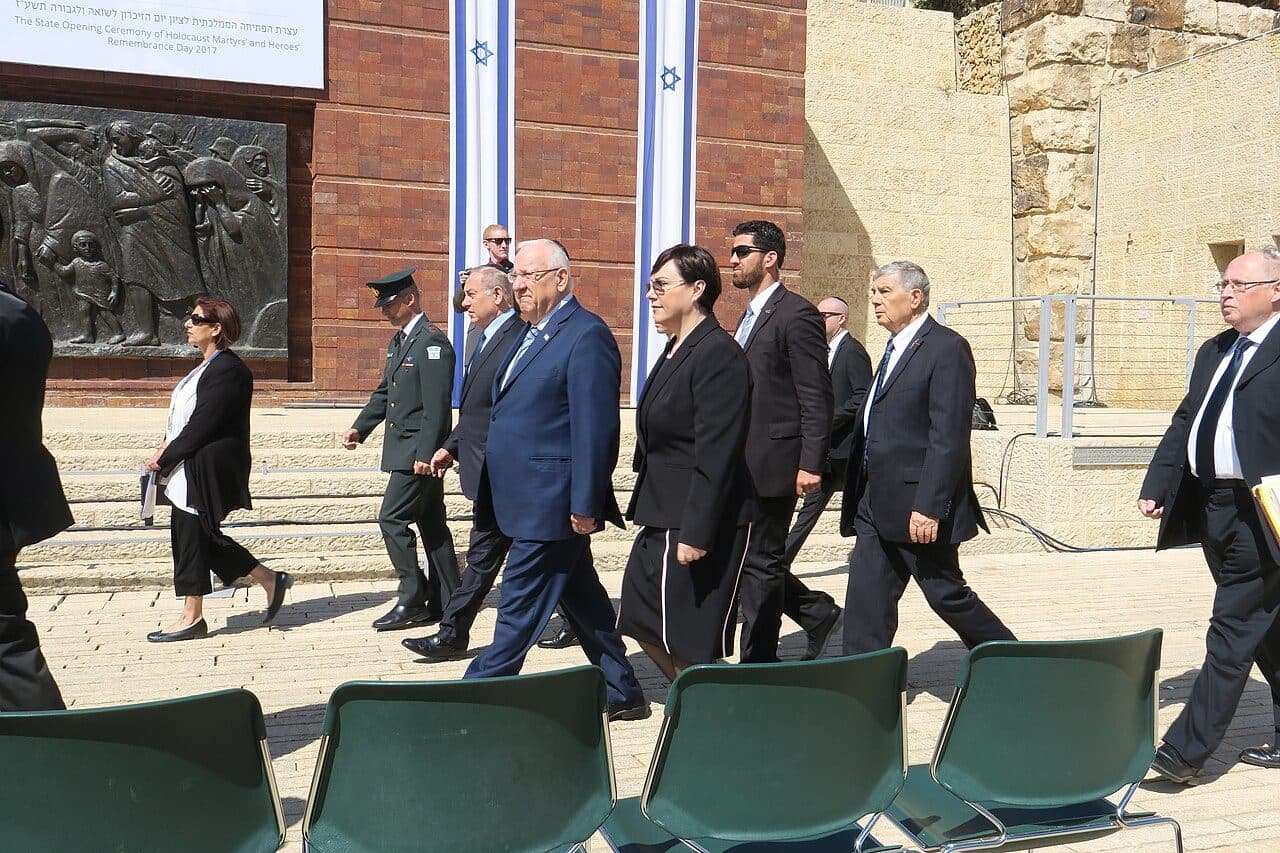
Ynet Gives Retired Justice Meltzer a Stage to Defend the 0-11 Ruling, Two Weeks Before the Vote
Hanan Meltzer told ynet's 'People of the State' conference he does not regret the 2020 ruling that let Netanyahu form a government. The venue, the panel and the word 'coup' were all chosen by the same media house.
Labor Court Orders 210,000 Shekel Payout to Lecturer Who Praised Hamas After October 7th
Israel's labor court ordered Kay College to pay 210,000 shekels to Dr. Saada-Gargas, fired after sharing lynching images and supporting Hamas after the October 7th massacre. The ruling reveals how Israeli institutions apply radically different free speech standards.

Tel Aviv Court Issues Restraining Order Against Likud Activist Targeting Lucy Aharish
Tel Aviv Magistrate Court issued the maximum six-month restraining order against Likud activist Rami Ben Yehuda, prohibiting him from approaching Channel 13 anchor Lucy Aharish and her family following protests and alleged harassment incidents.