
Police Stopped Enforcing Draft Laws During War — And Never Resumed
How law enforcement agencies use 'considerations' to nullify democratically passed legislation
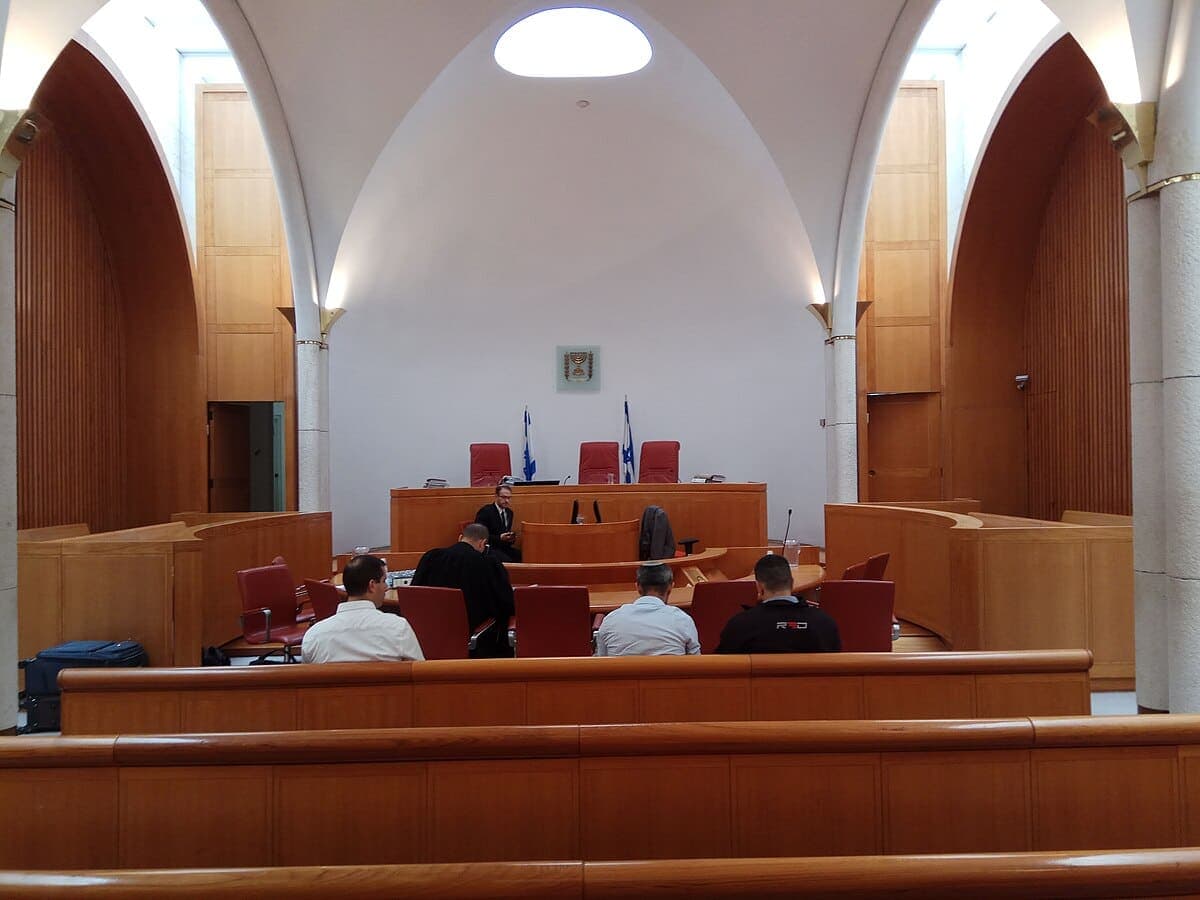
Israeli police froze proactive enforcement against Haredi draft dodgers during the Iran war — and have not resumed enforcement despite the ceasefire ending. The Supreme Court characterized this as a 'complete failure' of enforcement, while military sources stated that 'police refusal doesn't allow us to enforce' conscription laws. Police justify their position by claiming they 'assist according to relevant considerations.'
This is not a story about draft policy or religious exemptions. This is a story about how unelected institutions use vague language to effectively nullify laws passed by elected representatives. The police did not announce a formal policy change. They did not seek legislative approval. They simply decided that 'relevant considerations' — a phrase that could mean anything or nothing — override their legal obligation to enforce the law.
The mechanism is revealing. During wartime, enforcement was 'frozen' — a reasonable temporary measure. But when the ceasefire ended, enforcement was not resumed. No announcement, no explanation, no accountability. The law remains on the books, but the institution responsible for enforcing it has unilaterally decided not to act.
This creates a two-tier justice system where some laws are enforced vigorously while others are ignored based on institutional calculations that the public never sees. Traffic violations get tickets. Tax evasion gets prosecuted. But conscription laws get 'considerations' — a bureaucratic euphemism for selective non-enforcement.
The Supreme Court's criticism of 'complete failure' misses the deeper problem. This is not failure — it is institutional choice. Police agencies have decided they can pick and choose which democratically passed laws deserve enforcement based on their own political assessments of what serves 'relevant considerations.'
Democratic governance requires that laws passed by elected representatives be enforced by accountable institutions. When law enforcement agencies use vague language to avoid their legal obligations, they undermine the basic principle that elected governments can actually govern. The police work for the public, not the other way around.
Join Torenu's newsletter
One sharp email a week. Clear analysis. No noise.
Related posts

The Attorney General Who Filed the Indictment Admits: He Didn't Approve Every Step
On the stand in Netanyahu's trial, former Attorney General Avichai Mandelblit said he ordered a wiretap on Nathan Eshel stopped and called the ploy used on state's witness Nir Hefetz improper. The gap between his formal authority and what investigators did is now part of the record.

Channel 12 Tries Braverman on Air Before the Attorney General Has Decided
Channel 12 aired new details from the Lahav 433 probe into Tzachi Braverman, alleging he gathered about 30 classified protocols after October 7. The file awaits the Attorney General, but the verdict is already being drafted on air.
Labor Court Orders 210,000 Shekel Payout to Lecturer Who Praised Hamas After October 7th
Israel's labor court ordered Kay College to pay 210,000 shekels to Dr. Saada-Gargas, fired after sharing lynching images and supporting Hamas after the October 7th massacre. The ruling reveals how Israeli institutions apply radically different free speech standards.